Meme Overview
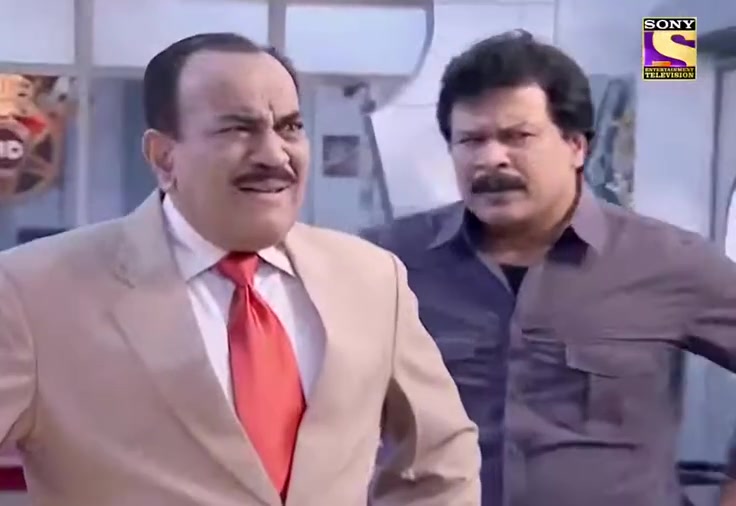
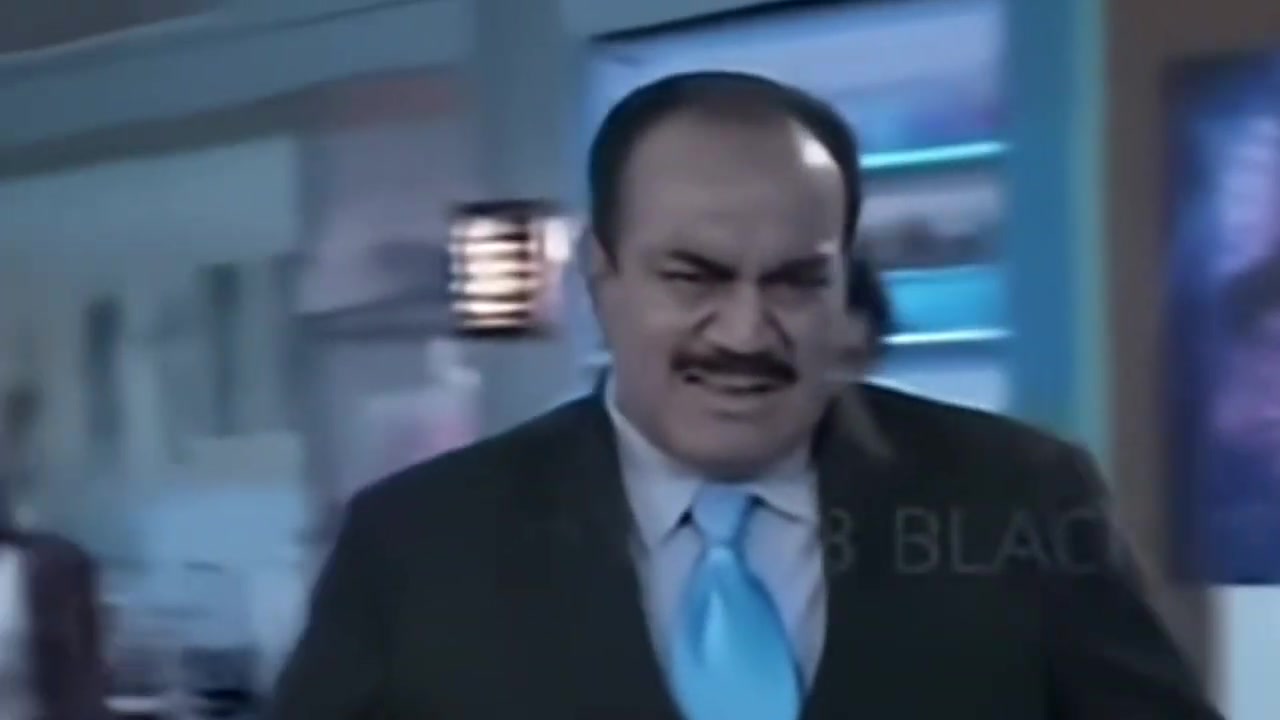
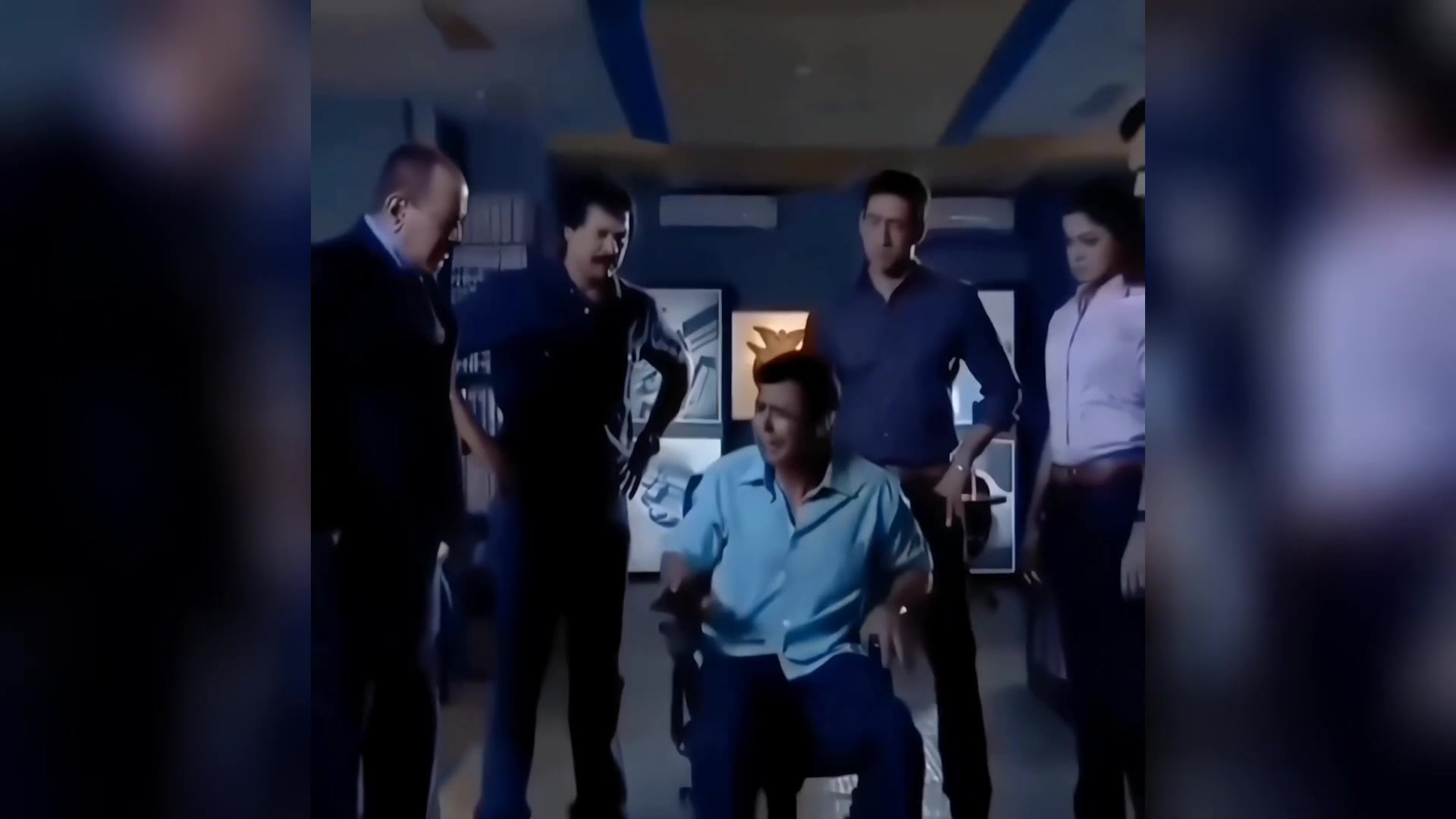
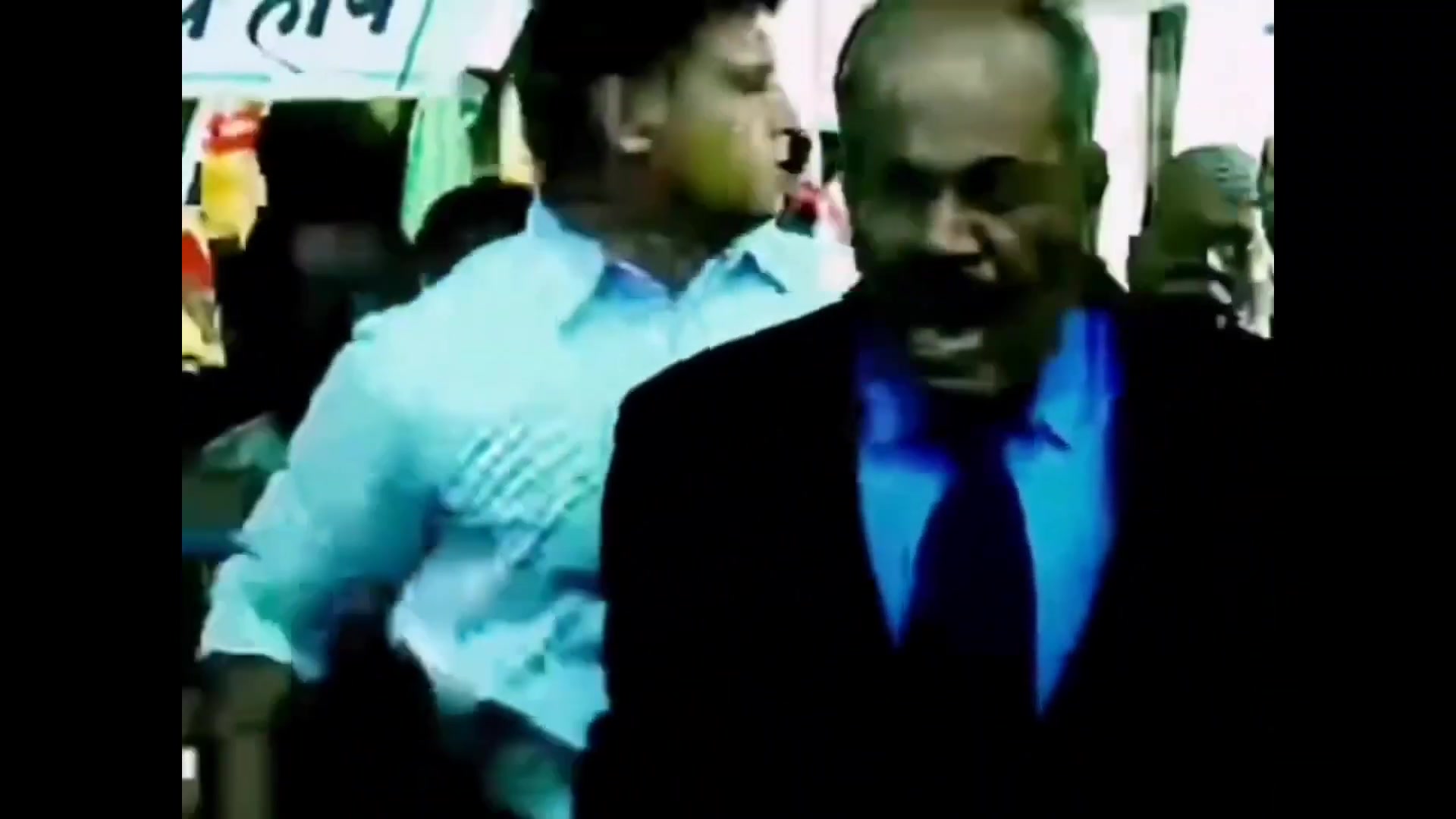
At its core, this clip shows "Kaun maarna chahta hai mujhe? Haan? Kaun maarna chahta hai? Aao! Hai kisi mein himmat? Kaun... kaun maarna chahta hai mujhe gaddar?" from CID. The line and delivery turn a specific scene into a reusable reaction for everyday online conversations.
Scene Context
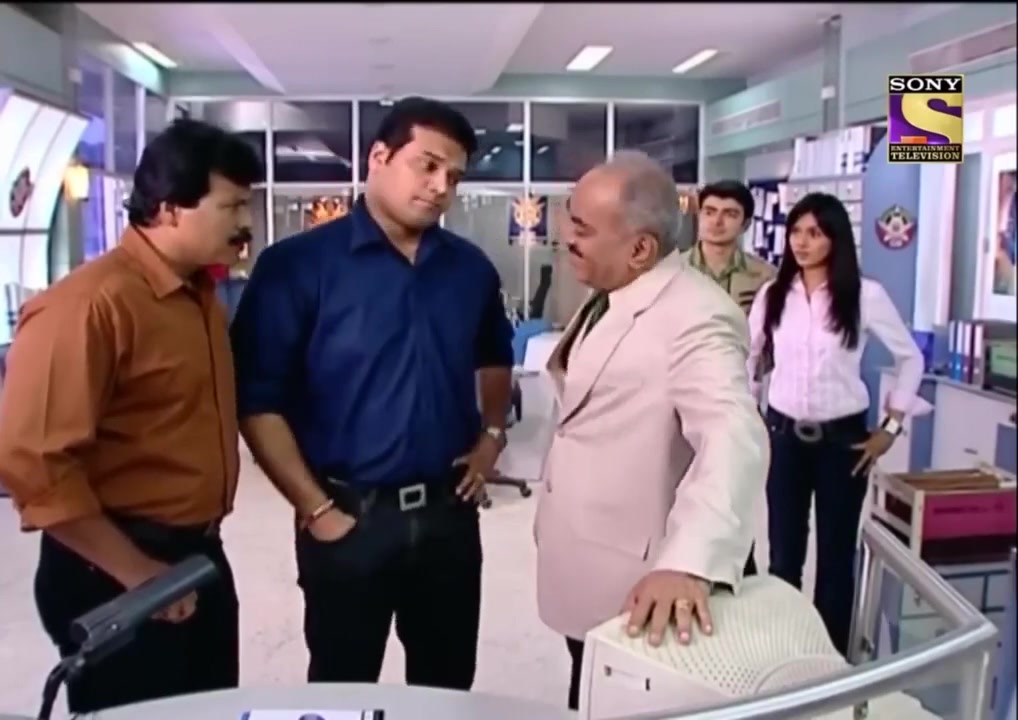
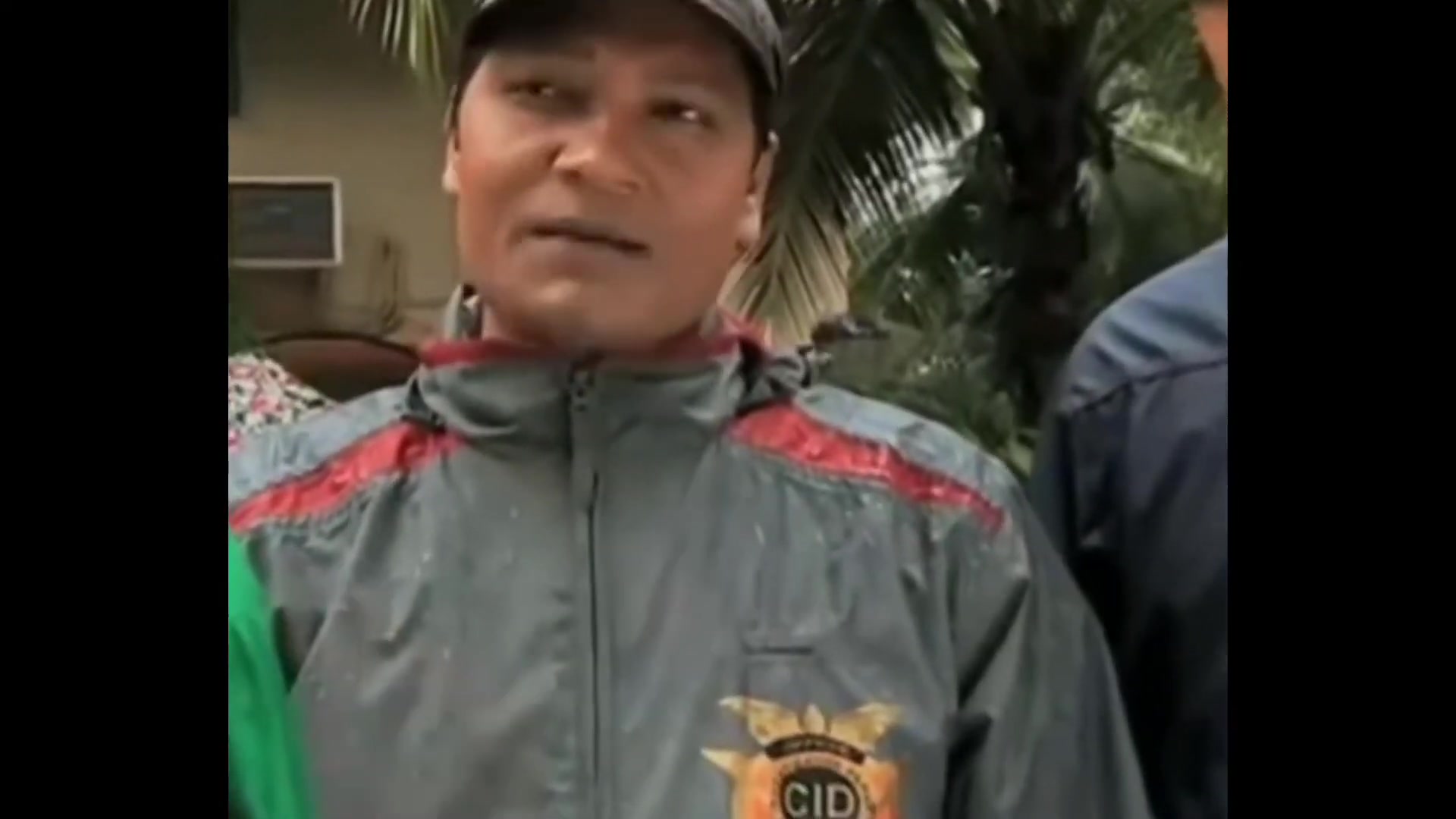
In the original scene, ACP Pradyuman from CID confronts a group of protestors shouting slogans, challenging them to face him. Even without full plot context, viewers immediately understand the tension and why the expression became shareable.
Meaning of the Meme
This meme represents a relatable mood shift that text alone usually fails to capture. In meme culture, it signals "you saw that too" energy, where one short clip replaces a long explanation.
When People Use This Meme
People usually send this when a situation flips unexpectedly: awkward meetings, dramatic text replies, last-minute plan changes, or tiny conflicts that feel bigger in the moment. This is used to show a bold, fearless, or intimidating response when someone is challenging the user or their group, especially in a confrontation.
Cultural or Internet Context
It went viral because people could reuse it without explanation. It also lives across formats: chat replies, comment threads, short edits, and remix audio. That flexibility keeps it relevant long after the original release.
SEO Friendly Description
"Kaun maarna chahta hai mujhe? Haan? Kaun maarna chahta hai? Aao! Hai kisi mein himmat? Kaun... kaun maarna chahta hai mujhe gaddar?" is a popular meme moment from CID, known for its expressive delivery and high replay value in chats, comments, and social posts. The clip is commonly used when people want to react to awkward surprises, subtle frustration, dramatic overreactions, or that split second when a conversation takes an unexpected turn. On MemeMaterial, users can discover this meme by searching the dialogue itself, by emotion labels, or by real-life situations such as office drama, friendship banter, delayed replies, and chaotic group plans. Because the scene communicates mood instantly, this meme remains useful as both a reaction template and a storytelling shortcut that keeps tone clear in fast digital conversations. It performs especially well in group chats, comment sections, and short-form edits where audiences need immediate emotional context without a long caption.