Meme Overview
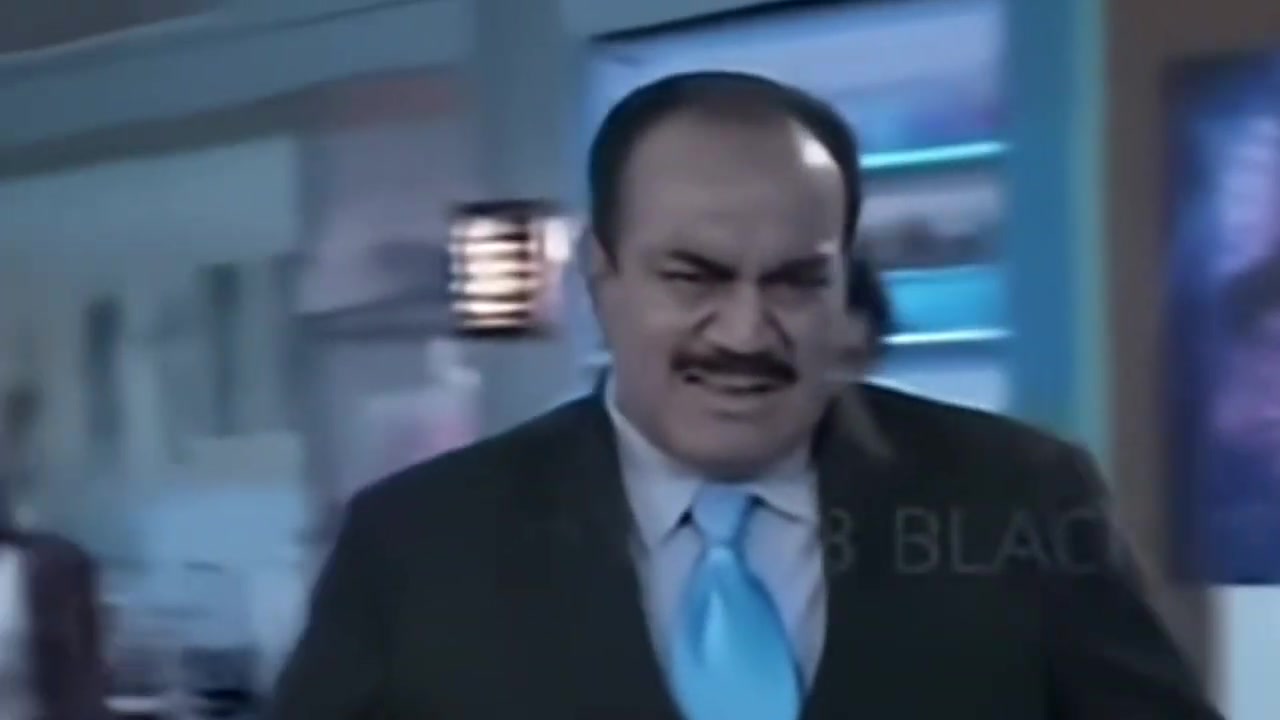
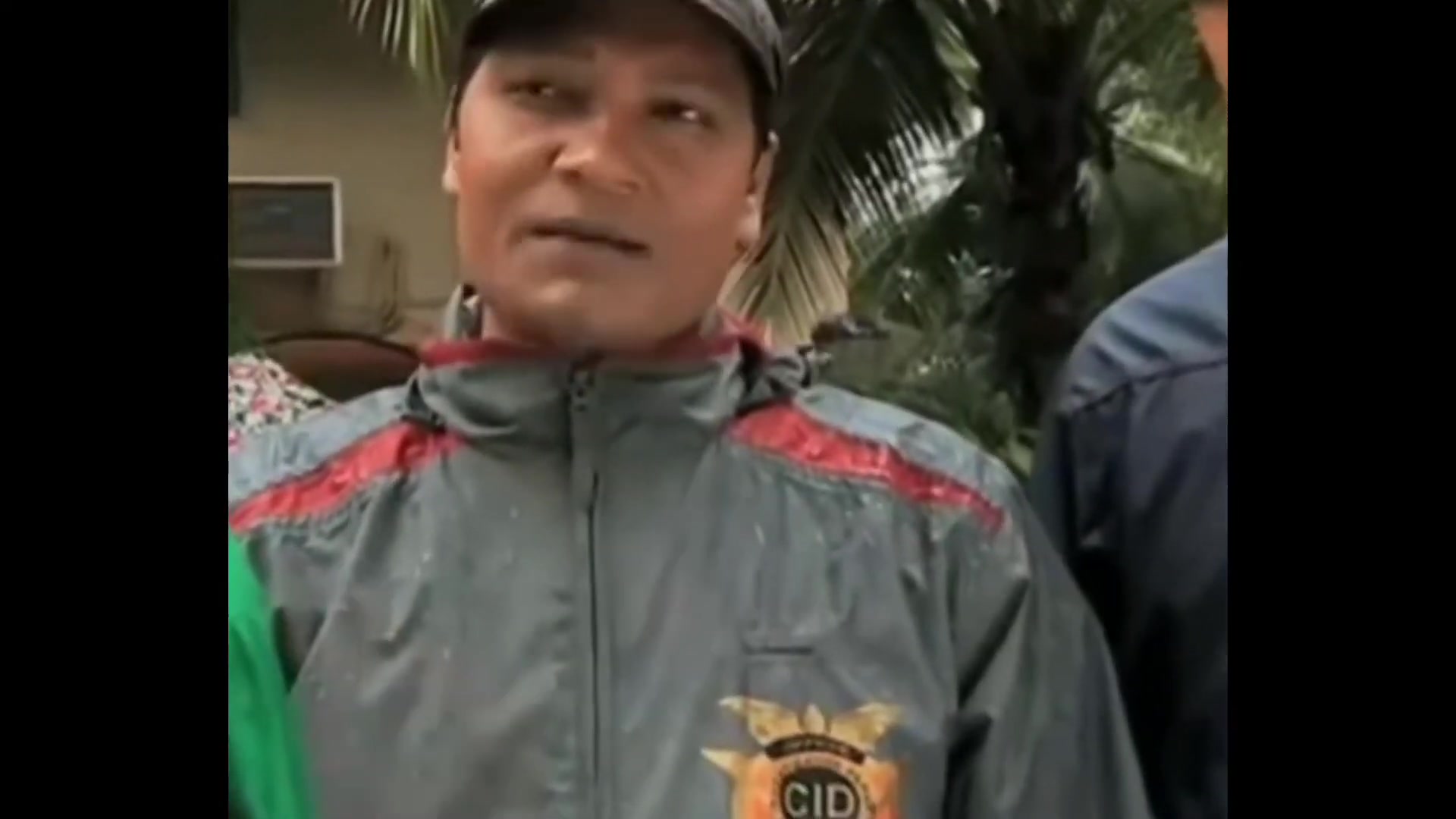
This meme captures "ACP Pradyuman: Kiske liye kaam karte ho tum? Batao! Man: Sir, main kaam hi nahi karta hoon kuch." from CID. The line and delivery turn a specific scene into a reusable reaction for everyday online conversations.
Source: CID
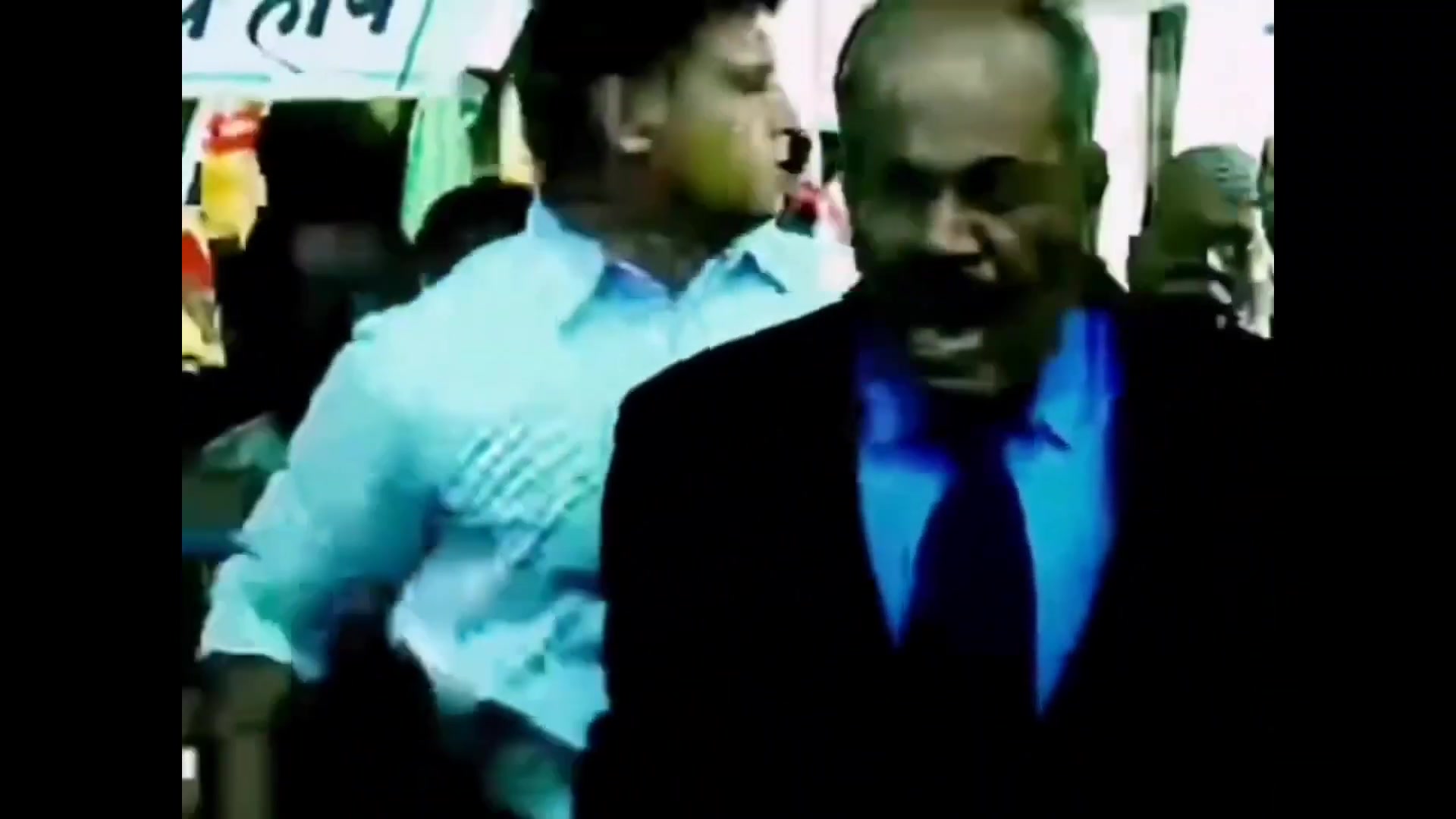
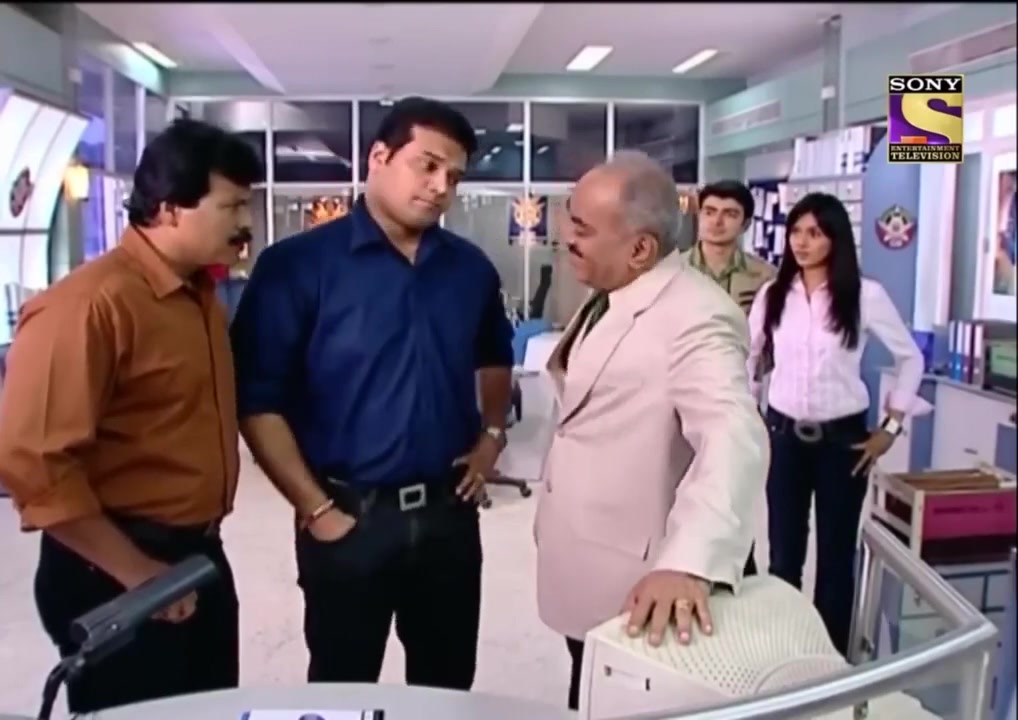
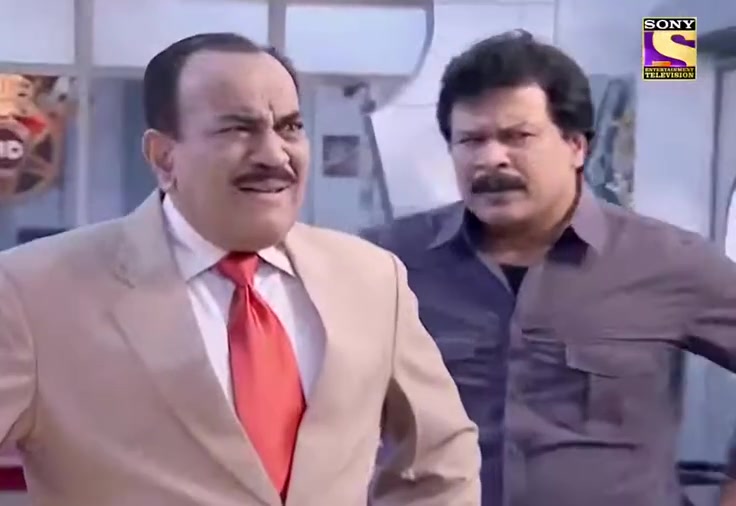
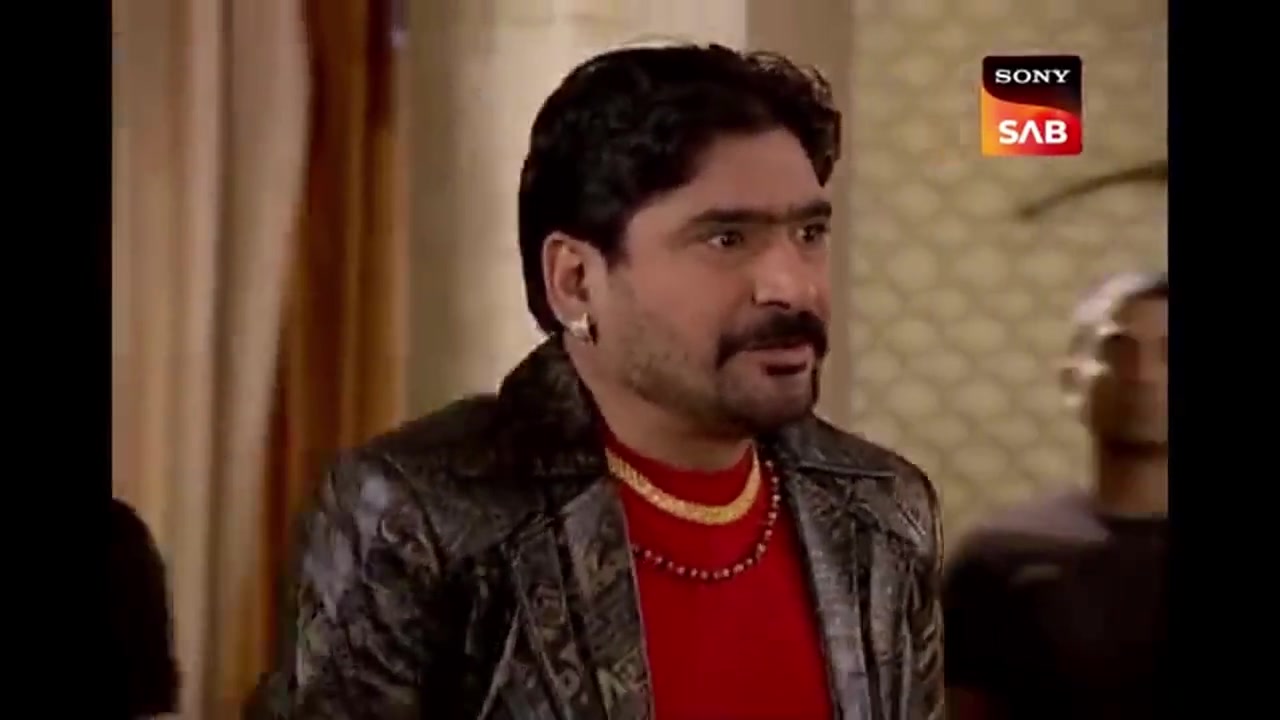
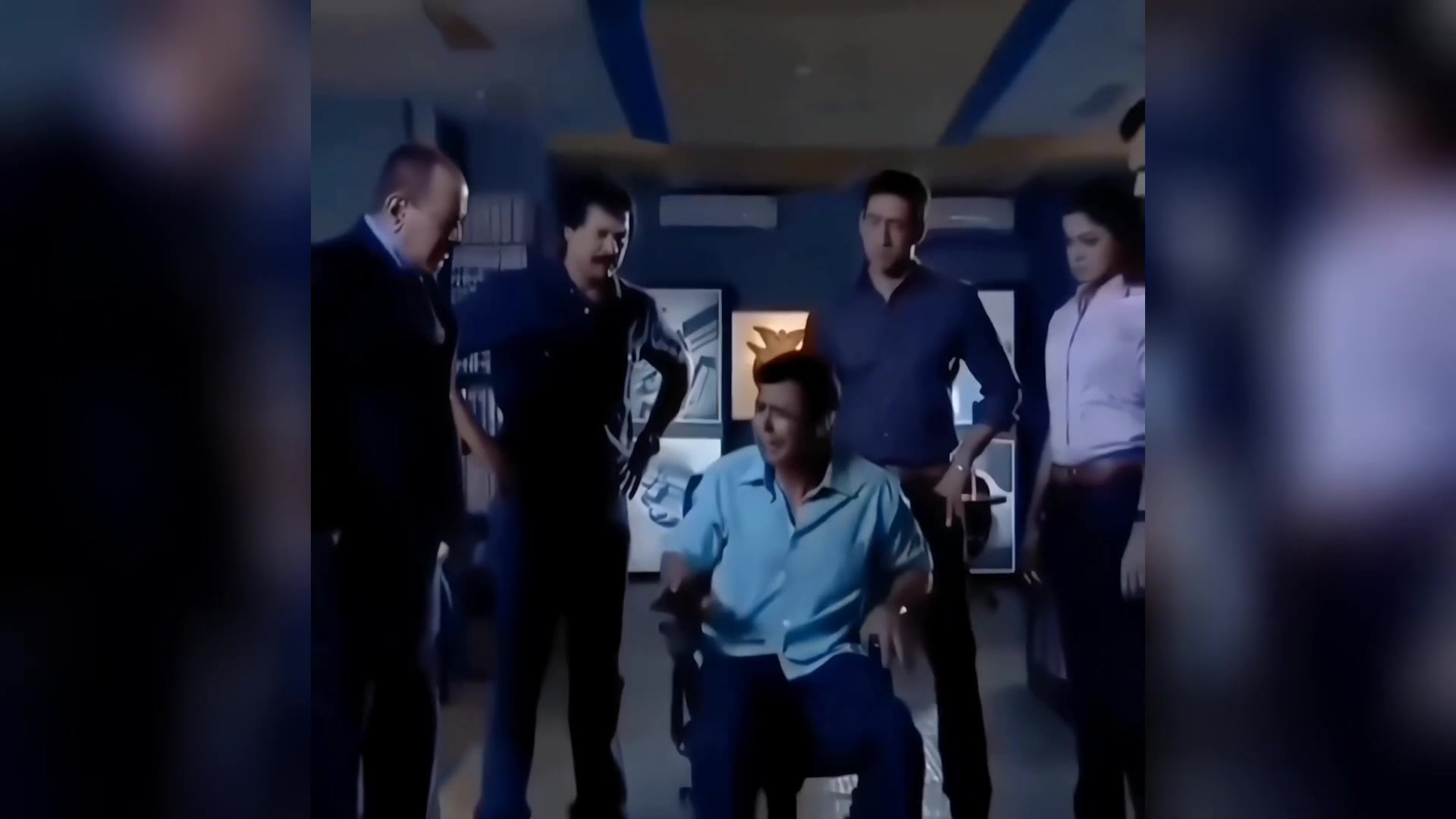
ACP Pradyuman and his team are questioning a man who is sitting on a chair crying while being interrogated.
Used to represent a situation where someone is being falsely accused or pressured to confess to something they didn't do, or being questioned about things they have no knowledge of.
This meme captures "ACP Pradyuman: Kiske liye kaam karte ho tum? Batao! Man: Sir, main kaam hi nahi karta hoon kuch." from CID. The line and delivery turn a specific scene into a reusable reaction for everyday online conversations.
Inside its original context, ACP Pradyuman and his team are questioning a man who is sitting on a chair crying while being interrogated. Even without full plot context, viewers immediately understand the tension and why the expression became shareable.
This meme represents soft heartbreak and dramatic overthinking in one expressive beat. In meme culture, it signals "you saw that too" energy, where one short clip replaces a long explanation.
People usually send this when a situation flips unexpectedly: awkward meetings, dramatic text replies, last-minute plan changes, or tiny conflicts that feel bigger in the moment. Used to represent a situation where someone is being falsely accused or pressured to confess to something they didn't do, or being questioned about things they have no knowledge of.
Its replay value comes from how easily it fits everyday drama. It also lives across formats: chat replies, comment threads, short edits, and remix audio. That flexibility keeps it relevant long after the original release.
"ACP Pradyuman: Kiske liye kaam karte ho tum? Batao! Man: Sir, main kaam hi nahi karta hoon kuch." is a popular meme moment from CID, known for its expressive delivery and high replay value in chats, comments, and social posts. The clip is commonly used when people want to react to awkward surprises, subtle frustration, dramatic overreactions, or that split second when a conversation takes an unexpected turn. On MemeMaterial, users can discover this meme by searching the dialogue itself, by emotion labels, or by real-life situations such as office drama, friendship banter, delayed replies, and chaotic group plans. Because the scene communicates mood instantly, this meme remains useful as both a reaction template and a storytelling shortcut that keeps tone clear in fast digital conversations. It performs especially well in group chats, comment sections, and short-form edits where audiences need immediate emotional context without a long caption.